As an American currently spending time in Colombia, I recently had an experience that completely changed the way I look at dental care in the United States.
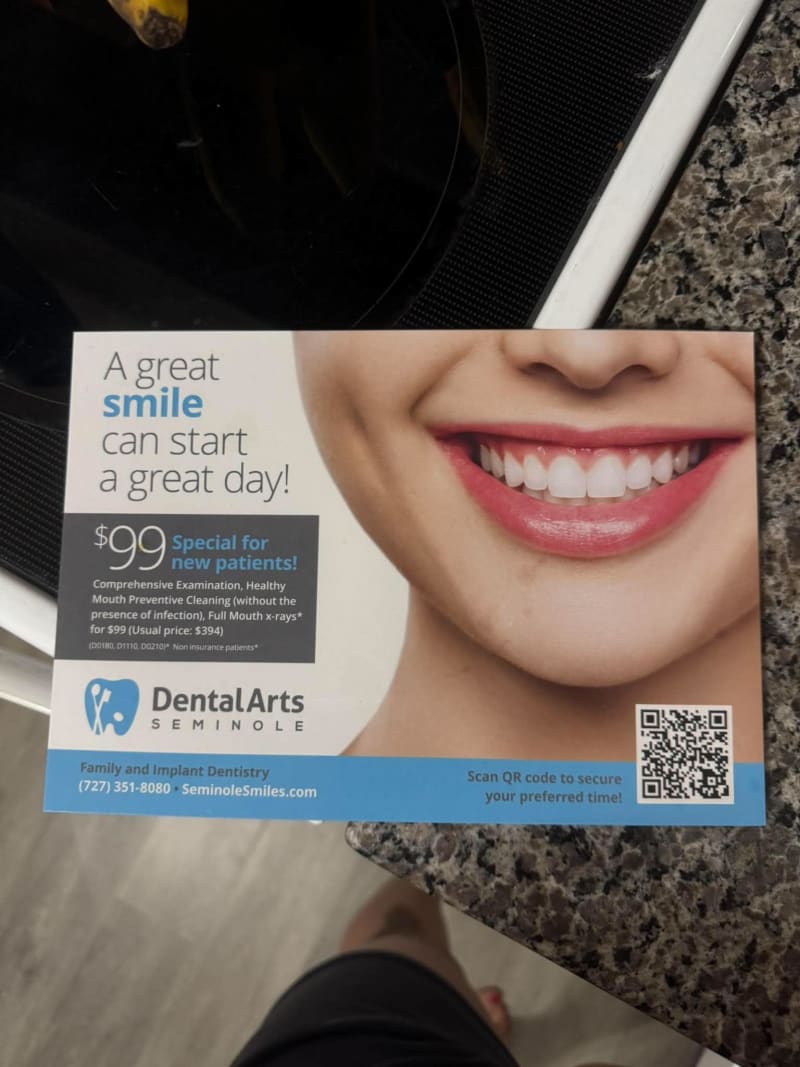
What started as a simple $99 teeth cleaning appointment in Florida turned into something that honestly felt more like a sales presentation than a healthcare visit.
The Florida Appointment
I walked into a dental office in Florida expecting a routine examination and cleaning. After the x-rays and initial examination, the dental assistant told me I had no cavities, but that I supposedly had gum disease severe enough to require an "ultrasonic deep cleaning" procedure that would cost over $2,000.
What immediately stood out to me was that they refused to perform even a regular cleaning because I had an infection in my gums.
Interestingly enough there's a flyer conveniently hanging inside of their office saying "did you know 93.9% of Americans have some form of gum disease."
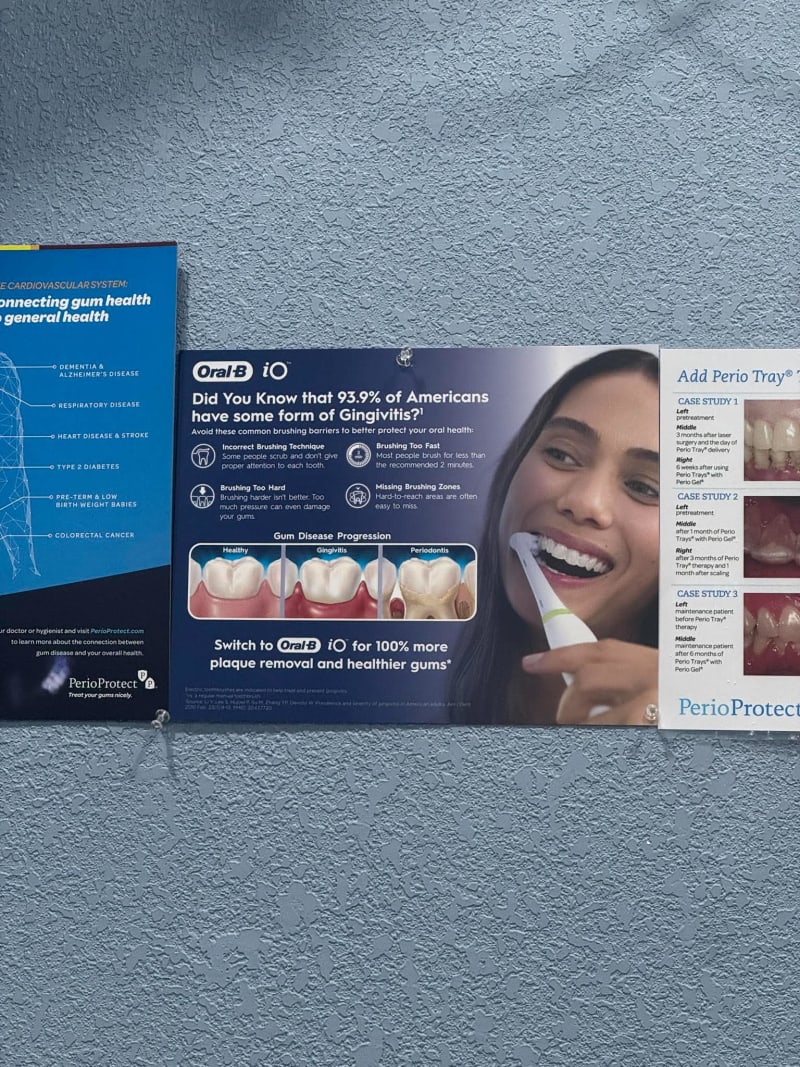
So let me get this straight: this dental office is aware that over 90% of Americans have some form of gum disease and are probably unaware of it. That's why they said "Did you know?" — and they conveniently put in parentheses of their offer that if you are part of that 93% you don't qualify for the cleaning, but you still have to pay for the examination.
What Happened Next
When I hesitated and declined the treatment, the main dentist came in to review the x-rays himself. At first, he also confirmed that I did not have any cavities. Instead, he focused heavily on convincing me how dangerous my gum condition supposedly was and how important it was to begin treatment immediately.
But after I declined once again, something strange happened.
The dentist looked back at the x-rays and suddenly claimed he had discovered two cavities that were not previously mentioned. The urgency increased, and naturally, so did the estimated cost of treatment.
At that point, I decided to trust my instincts. I'm a businessman, I'm savvy with marketing, and so this entire process felt like I was just another lead being pushed through their funnel as they go through the motions of their sales pitch. They were clearly trying to make as much money off of me as possible.
I paid the $99 fee and walked out of there. Maybe I'm a bit of a "conspiracy theorist" or maybe I just trusted my own instincts more than their "dental authority." No matter what they said, I knew that something inside was telling me that I was good, and I would find help later.
The Colombia Experience
A short time later, while in Colombia, I decided to get a second opinion.
The experience was completely different.
I went to a dental office and was seen by Johana Erazo who examined my teeth thoroughly, reviewed my x-rays, and informed me that I did not have any cavities. Not only that, but she was able to complete a professional teeth cleaning the same day — for a fraction of the cost I was quoted in Florida.
What impacted me most wasn't just the price difference. It was the feeling that the appointment in Colombia was centered around actual healthcare, while the experience in Florida felt heavily driven by upselling and fear-based sales tactics.
A Broader Reflection
To be clear, I am not claiming every dentist in the United States operates this way, nor am I saying every dental office in Colombia is perfect. This was simply my personal experience.
However, it opened my eyes to why so many Americans are now exploring medical and dental tourism in countries like Colombia, Mexico, and Turkey. When people feel priced out of basic healthcare at home, and when trust in the system begins to erode, many are willing to travel internationally for affordable second opinions and treatment.
For me, this experience became about more than just dental care. It became a reminder of how important transparency, trust, and honesty are in healthcare.
Sometimes getting a second opinion can save you thousands of dollars — and a lot of unnecessary stress.